


Understanding
EMPAVELI safety
Laura is an adult with PNH who’s taken EMPAVELI
In people with previous
C5 inhibitor treatment
C5 inhibitor treatment
In people without previous
complement inhibitor treatment
complement inhibitor treatment
Long-term safety
Most common side effects (≥5%) in patients treated with EMPAVELI
in the PEGASUS study vs eculizumab
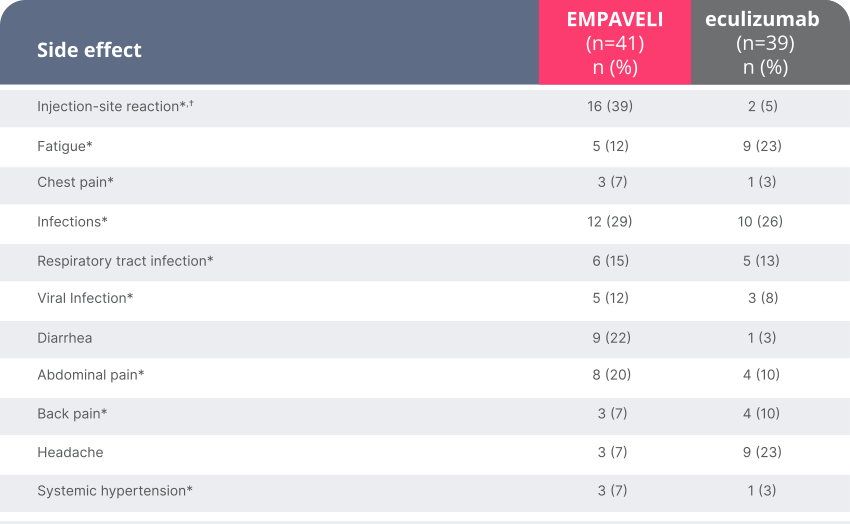
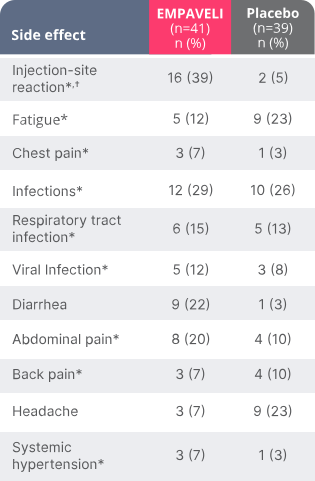
The following reactions were mild or moderate in severity: diarrhea, fatigue, fever,
viral infections, and injection site reactions
- Serious adverse reactions were reported in 17% of patients treated with EMPAVELI
- The most common serious adverse reaction was infections (5%)
- Breakthrough hemolysis occurred in 10% of those taking EMPAVELI vs 23% of those taking eculizumab at Week 16 in the PEGASUS study. Three people taking EMPAVELI left the study due to hemolysis
- Two people taking EMPAVELI during the additional 32 weeks of the PEGASUS study had side effects related to blood clots. They were deemed not related to EMPAVELI
*Grouped terms.
†Term includes injection-site erythema, injection-site reaction, injection-site swelling, injection-site induration, injection-site bruising, injection-site pain, injection-site pruritus, vaccination site reaction, administration site swelling, injection-site hemorrhage, injection-site edema, injection-site warmth, administration site pain, application site pain, injection-site mass, injection-site rash, vaccination site pain.
Most common side effects (≥5%) in patients treated with EMPAVELI
in the PRINCE study vs control
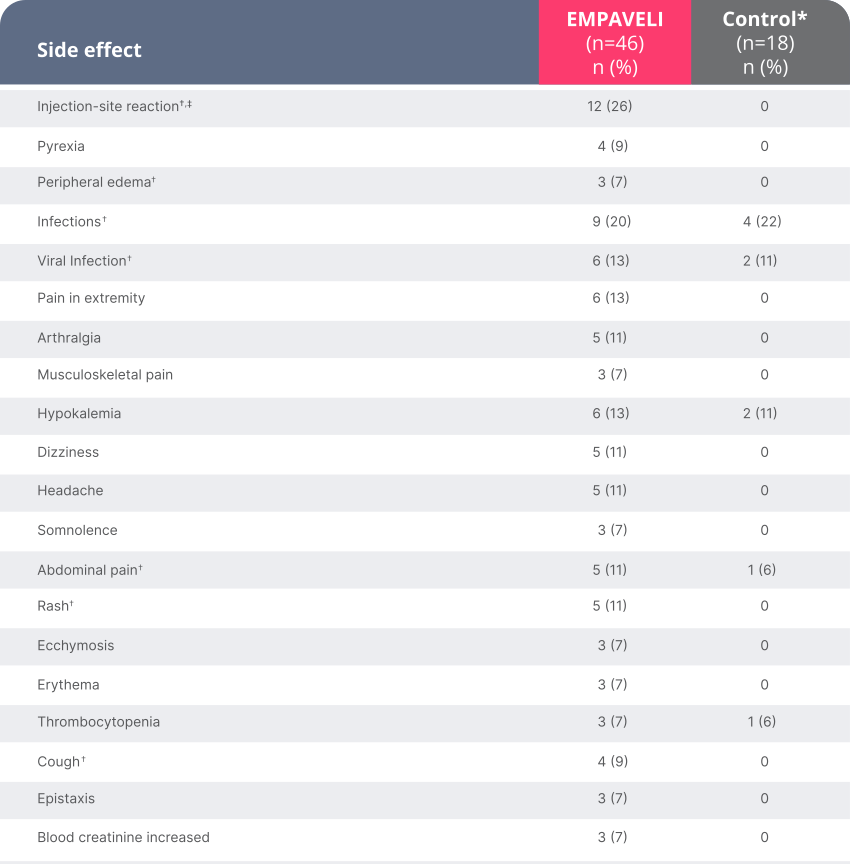
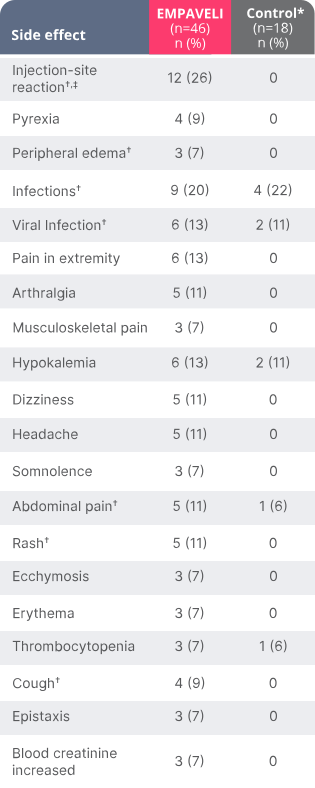
Injection site reactions and infections were mild or moderate in severity
- One patient treated with EMPAVELI died due to septic shock
- Serious adverse reactions were reported in 13% of patients treated with EMPAVELI
- No patients experienced side effects related to blood clots during the PRINCE study
EMPAVELI (N=46) group includes patients who received EMPAVELI at any point during the study, including patients randomized to EMPAVELI (n=35) and patients randomized to the control arm and crossed over to EMPAVELI treatment (n=11).
*Control arm=supportive care (excluding complement inhibitors).
†Grouped terms.
‡Term includes injection-site bruising, injection-site hemorrhage, injection-site swelling, application site reaction, infusion-site pruritus, injection-site erythema, injection-site rash, puncture site reaction.
Up to 3 years of safety data from an integrated analysis
Most common side effects
- The most common adverse events (≥10%)* were nasopharyngitis (16.7%), upper respiratory tract infection (14.4%), urinary tract infection (12.9%), injection site reactions (36.4%), abdominal pain (18.2%), fatigue (18.2%), headache (16.7%), and cough (12.1%)—consistent with those reported in the original studies
Serious side effects
- Two serious adverse events deemed related to EMPAVELI occurred: 1 case of biliary sepsis (severe infection of the gallbladder and associated structures) in PEGASUS and 1 case of sepsis (severe, potentially life-threatening infection throughout the body) in PRINCE
- During the long-term integrated analysis, 1 person taking EMPAVELI had side effects related to blood clots. They were deemed not related to EMPAVELI
- Overall, no new side effects were identified
*COVID-19 was excluded due to the pandemic and underlying immunocompromised population of PNH.
- There have been no cases of encapsulated meningococcal infections in any adults with PNH treated with pegcetacoplan, as of 8/13/2025. Patients were vaccinated prior to treatment with pegcetacoplan
These are not all the possible side effects of EMPAVELI. Be sure to tell your healthcare provider about any side effect that bothers you or that does not go away. Side effects can be reported to FDA at 1-800-FDA-1088 or www.fda.gov/medwatch.
EMPAVELI is a medicine that affects your immune system and may lower the ability of your immune system to fight infections.
EMPAVELI increases your chance of getting serious infections caused by encapsulated bacteria such as Streptococcus pneumoniae, Neisseria meningitidis, and Haemophilus influenzae type B. These serious infections may quickly become life-threatening or cause death if not recognized and treated early.
PNH=paroxysmal nocturnal hemoglobinuria.